Every real estate headline seems to contradict the last one. 'Housing market cooling.' 'Prices hit new highs.' 'Rates are killing demand.' 'Buyers are flooding the market.' If you're over 55 and thinking about selling, the noise makes it nearly impossible to know whether now is the right time.
Here's how to cut through it and actually evaluate your local market — because the national headlines almost never tell the whole story.
National Headlines Don't Reflect Your Neighborhood
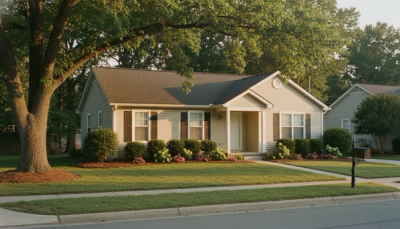
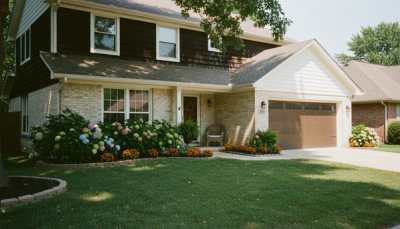
Real estate is hyper-local. The national median home price is an average of wildly different markets. Your home's value is determined by what's happening in your city, your neighborhood, and your specific street. A cooling national market might mean nothing if your area is still seeing strong demand and limited inventory.
Focus on local data: How many homes are for sale in your area right now? How long are they sitting before selling? Are they selling above or below asking price? Your local real estate agent or sites like Redfin and Zillow can give you this neighborhood-level data.
The Three Numbers That Matter
Days on market tells you how fast homes are selling. If homes in your area are selling in under 30 days, it's a seller's market. Over 60 days suggests buyers have more leverage. Inventory (months of supply) measures how long it would take to sell all current listings at the current sales pace. Under 4 months favors sellers. Over 6 months favors buyers. Sale-to-list ratio shows whether homes are selling above or below asking price. A ratio over 100% means bidding wars. Under 95% means buyers are negotiating down.
Interest Rates: How They Affect You as a Seller
High interest rates reduce the number of buyers who can qualify for a mortgage, which can slow demand and put downward pressure on prices. But here's the thing: if you're selling and buying, rates affect both transactions. And if you're selling for cash — either to a cash buyer or because you're downsizing and paying cash for your next place — interest rates matter less to you personally.
The worst time to sell is when you're forced to. If you can sell on your own timeline, you have leverage regardless of what rates are doing.
Seasonal Patterns Still Matter
Spring and early summer remain the best time to sell in most markets. More buyers are looking, days are longer for showings, and homes show better with green lawns and natural light. Fall can work well too — serious buyers who didn't find a home in spring are still looking and often more motivated.
Winter is typically the slowest season, but that's not always bad. Less inventory means less competition. A serious buyer in January is usually more motivated than a casual browser in June.
When Timing Doesn't Matter
Here's the honest truth: if you need to sell — for health reasons, a move, financial necessity, or estate settlement — the 'right time' is now. Trying to time the market perfectly is a game even professional investors lose. The difference between selling in a 'good' market and a 'great' market is usually 3–5%. The difference between selling when you need to and waiting a year hoping for better conditions is stress, carrying costs, and uncertainty.
If you want to sell without worrying about timing at all, a cash offer takes the market out of the equation entirely. You get a price, you decide if it works, and you close on your schedule.
The Bottom Line
Don't let national headlines make your decision for you. Look at your local market data, understand the three key numbers, and sell when it makes sense for your life — not when a TV pundit says the market is perfect. For most homeowners over 55, the best time to sell is when you're ready, not when the market tells you to be.