When you're getting ready to sell, the temptation is to do a big renovation — new kitchen, new bathrooms, new everything. But major renovations rarely return their full cost, and they take time you may not have. The smartest sellers focus on small, high-impact improvements that cost hundreds, not thousands, and make buyers feel like the home is well-maintained and move-in ready.
Here are 10 improvements that consistently deliver the best bang for your buck.
1. Paint the Interior ($200–$500)
A fresh coat of neutral paint is the single highest-ROI improvement you can make. It makes rooms look bigger, brighter, and cleaner. Stick to warm whites, light grays, or soft beiges. Skip bold accent walls — they're personal taste that may not match the buyer's. A gallon of quality paint costs $35–$50, and you can do a room in an afternoon.
2. Deep Clean Everything ($100–$300)
A spotless home signals 'well-maintained.' A dirty home signals 'what else is neglected?' Clean the windows (inside and out), scrub grout, wipe baseboards, clean light fixtures, and polish hardware. If you can't do it yourself, a professional deep clean costs $200–$400 and is worth every penny.
3. Update Light Fixtures ($50–$200)
Swapping outdated light fixtures for modern ones takes 15 minutes per fixture and costs $20–$50 each. Focus on the entry, kitchen, and bathrooms — the rooms buyers scrutinize most. Brushed nickel, matte black, or brass finishes all read as current and tasteful.
4. Replace Cabinet Hardware ($50–$100)
New knobs and pulls on kitchen and bathroom cabinets can make dated cabinetry look surprisingly refreshed. Modern bar pulls or simple round knobs in a matte finish cost $2–$5 each. It's a 30-minute project that changes the feel of the entire room.
5. Boost Curb Appeal ($100–$300)
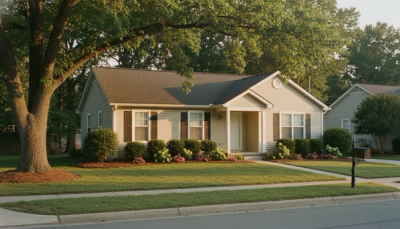
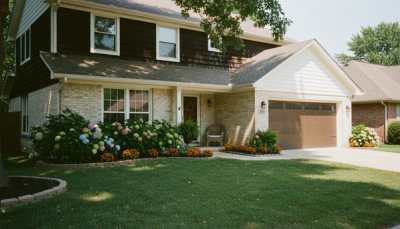
Mow the lawn, edge the walkways, trim bushes, and add a few pots of flowers by the front door. Replace faded house numbers and a worn doormat. Pressure wash the driveway and front walkway ($100 to rent, $200 to hire). Buyers decide within 7 seconds of pulling up whether they're interested — curb appeal is your first impression.
6. Fix Every Small Thing ($50–$100)
Dripping faucets, sticky doors, loose handles, squeaky hinges, cracked outlet covers, burnt-out bulbs — fix them all. Each one is a $5 repair. Together, they create an impression of a home that's been cared for. A home with 15 small issues feels neglected even if the bones are perfect.
7. Re-Caulk Bathrooms and Kitchen ($20)
Old, cracked, or discolored caulk around tubs, showers, and sinks is one of the first things buyers notice in bathrooms. A tube of caulk costs $5. Remove the old caulk, clean the surface, and apply a fresh bead. It takes an hour and makes the bathroom look years newer.
8. Declutter and Depersonalize ($0)
This one is free and arguably the most impactful. Remove at least half of what's on your countertops, shelves, and surfaces. Pack away family photos, collections, and anything highly personal. Buyers need to see themselves in the space — not you. Every room should feel spacious and neutral.
9. Add a Fresh Coat to the Front Door ($30)
A painted front door is one of the cheapest curb appeal upgrades with the highest visual impact. A bold but tasteful color — navy, dark green, red, or black — makes the entry feel intentional and polished. One quart of exterior paint is all you need.
10. Upgrade the Thermostat ($25–$50)
A basic programmable thermostat costs $25–$50 and signals that the home has been updated. If you want to go further, a smart thermostat ($100–$200) is a small splurge that buyers notice and appreciate. Either way, remove the 1990s beige thermostat — it dates the whole house.
The Bottom Line
You don't need to renovate to sell well. The 10 improvements above cost a combined $600–$1,500 and can add thousands to your sale price by making your home feel clean, maintained, and move-in ready. Focus on what buyers see first and what bothers them most. That's where your dollars go the furthest.