A home appraisal isn't a test you can cram for — but there are absolutely things you can do to make sure your home is presented in its best light. Appraisers are trained professionals, but they're also human. A clean, well-maintained home creates a better impression than one that looks neglected, even if the square footage and comps are identical.
Here's what appraisers actually evaluate and how to prepare.
What Appraisers Look At
Square footage and room count. Lot size and usable outdoor space. Overall condition — roof, siding, windows, foundation. Interior condition — flooring, walls, fixtures, appliances. Quality of construction and materials. Comparable recent sales in your area. Upgrades and improvements since the last sale. Location, neighborhood, and proximity to amenities.
They're comparing your home to similar ones that sold recently, then adjusting up or down based on differences. Your goal is to make sure they see everything that adds value — and nothing that subtracts it unnecessarily.
Clean and Declutter Before the Visit
A clean home doesn't directly add value on paper, but it signals maintenance and care. Appraisers are forming an overall impression of how well the property has been maintained. Clutter, dirt, and disrepair create a negative impression that can subtly influence their assessment.
Clean thoroughly. Declutter surfaces. Make sure every room is accessible — including the basement, attic, and garage. If the appraiser can't access a space, they can't give you credit for it.
Document Your Improvements
This is the most important thing you can do. Prepare a written list of every improvement you've made — with dates and approximate costs. New roof in 2019? New water heater in 2022? Kitchen remodel in 2020? Write it down.
Appraisers may not notice a two-year-old HVAC system unless you tell them. They can't give you credit for improvements they don't know about. A one-page summary of upgrades is professional, helpful, and appreciated.
Handle Minor Repairs Before the Appointment
Fix dripping faucets, patch wall holes, replace cracked outlet covers, tighten loose handrails, and replace burned-out light bulbs. These tiny issues cost almost nothing to fix but can create an impression of deferred maintenance.
If you have bigger issues — a stain on the ceiling from an old leak, a crack in the foundation, peeling exterior paint — be prepared to explain them. 'The roof was replaced in 2020 and the ceiling stain is from before the repair' is very different from a mystery stain the appraiser has to wonder about.
Boost Curb Appeal
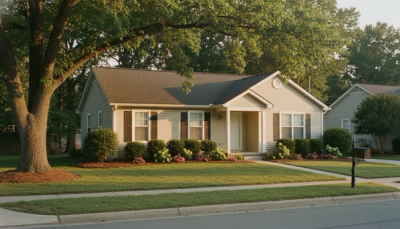
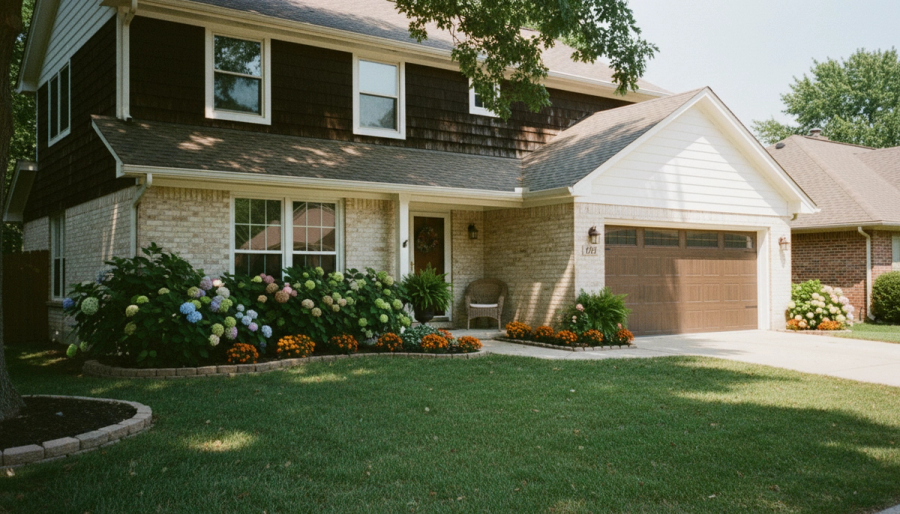
The appraiser's impression starts in the driveway. Mow the lawn, trim bushes, sweep the walkway, and make sure the exterior looks cared for. If the front door is faded or the house numbers are falling off, fix them. First impressions matter.
Know Your Comps
Do your own research before the appraisal. Look at what similar homes in your area sold for recently. If a neighbor's house sold for more because of a renovation you also have, mention it. If a low sale in the neighborhood was a distressed property, point that out.
You're not telling the appraiser how to do their job — you're providing context they might not have. Appraisers appreciate homeowners who are informed and helpful, not adversarial.
The Bottom Line
You can't change your home's square footage or location, but you can make sure the appraiser sees your home at its best. Clean, repair, document, and present. A well-prepared homeowner can mean the difference between an appraisal that reflects your home's true value and one that leaves money on the table.