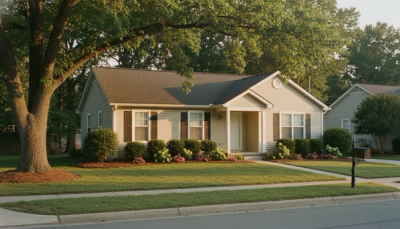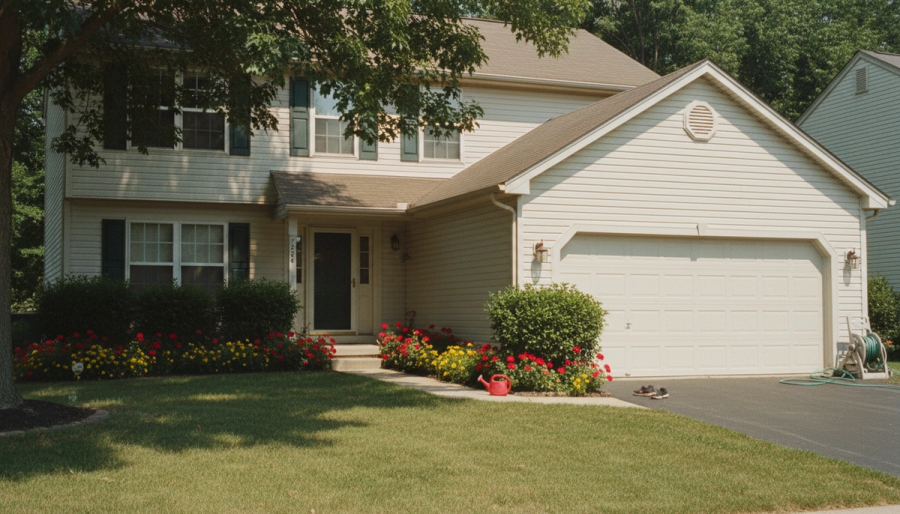
It's the most Googled real estate question in America: 'How much is my house worth?' If you've owned your home for 20 or 30 years, the answer might surprise you. Home values have climbed dramatically in most markets, and the number on your property tax statement often doesn't reflect what a buyer would actually pay.
Whether you're thinking about selling, planning your estate, or just want to know where you stand financially, here's how to get an accurate picture.
Online Estimates: A Good Starting Point, Not the Final Answer
Zillow's Zestimate, Redfin's estimate, and Realtor.com's valuation tools are free and instant. They analyze public data — tax records, recent sales, square footage, location — to generate an estimate. For a quick ballpark, they're useful.
But they have real limitations. They can't see inside your home. They don't know that you renovated the kitchen in 2021 or that the bathroom hasn't been updated since 1985. They can't account for unique features, deferred maintenance, or the specific condition of your property. Accuracy varies by market — in neighborhoods with lots of similar homes and frequent sales, they're more reliable. In rural areas or neighborhoods with unique properties, they can be way off.
Use online estimates to get a general range, then dig deeper.
Comparative Market Analysis (CMA)
A CMA is what real estate agents do to price a home for sale. They look at 'comps' — similar homes in your area that sold recently (usually within the last 3–6 months). They adjust for differences in square footage, condition, lot size, upgrades, and location.
Most agents will do a CMA for free, hoping to earn your listing. Even if you're not ready to sell, it's a valuable data point. Just be aware that some agents may inflate the number to win your business. Get CMAs from 2–3 agents and look for consistency.
Professional Appraisal
A professional appraisal is the most accurate way to determine your home's value. A licensed appraiser visits your property, inspects the interior and exterior, analyzes comparable sales, and produces a detailed report. This is the same process banks use when you apply for a mortgage or home equity line.
Appraisals cost $300–$500 and take about a week. If you're serious about selling, refinancing, or estate planning, it's money well spent. The appraiser has no financial interest in inflating or deflating the number — they're providing an objective opinion.
Factors That Increase Your Home's Value
Location is the biggest factor and the one you can't change. Homes in good school districts, low-crime areas, and walkable neighborhoods command higher prices — even if the senior who owns them doesn't personally benefit from the school district.
Updated kitchens and bathrooms consistently add value. You don't need a full renovation — even cosmetic updates like new countertops, fixtures, and paint can move the needle. A well-maintained roof, HVAC system, and major mechanicals reassure buyers that they won't face big expenses right after purchase.
Factors That Decrease Your Home's Value
Deferred maintenance is the biggest value killer. A leaky roof, outdated electrical, old plumbing, or foundation issues can reduce your home's value by tens of thousands of dollars. Buyers either want a discount or walk away entirely.
Dated interiors — shag carpet, wood paneling, avocado-green bathrooms — don't necessarily decrease value dollar-for-dollar, but they make your home less competitive. Buyers mentally subtract renovation costs when deciding how much to offer.
Why Your Home's Value Matters Even If You're Not Selling
Your home is likely your largest asset. Knowing its value is essential for retirement planning, estate planning, and understanding your overall financial picture. If you're considering a reverse mortgage, downsizing, or leaving the home to your children, an accurate valuation is the starting point for every decision.
The Bottom Line
Start with Zillow for a rough idea, get a CMA from a local agent for a more informed estimate, and commission an appraisal if you need precision. Your home's value is not a fixed number — it changes with the market, your home's condition, and what buyers are willing to pay. Check in every year or two so you're never making decisions based on outdated information.