Downsizing without a plan is how people end up stressed, behind schedule, and hauling boxes of things they don't need to a home that doesn't have room for them. A good checklist keeps the process manageable and helps you avoid the most common mistakes.
This checklist is designed for a 2–3 month timeline. If you have more time, great — spread it out. If you have less, focus on the high-priority items first.
2–3 Months Before Your Move
Measure your new space. Get exact dimensions of every room, closet, and doorway. This tells you what furniture fits and what doesn't. No guessing. Walk through every room in your current home and decide what's coming with you. Be ruthless. If you haven't used it in two years, it probably doesn't need to move.
Start with the easiest areas first — guest rooms, the garage, storage closets. Build momentum before tackling emotionally loaded spaces like the master bedroom or your kids' old rooms. Notify your kids and family members about items they might want. Give them a deadline to claim things — two weeks is reasonable. After that, the items go to donation or sale.
6–8 Weeks Before Your Move
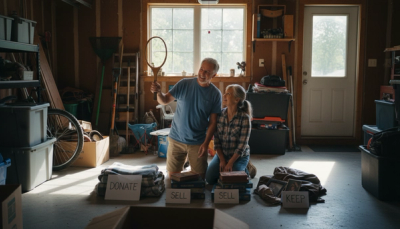
Sort belongings into four categories: Keep, Sell, Donate, Trash. Set up staging areas in your home for each category. Schedule an estate sale or list valuable items online. Estate sale companies typically take 30–40% but handle everything. For individual items, Facebook Marketplace and Craigslist work well for furniture and larger pieces.
Start digitizing. Scan important documents, old photos, and records. Use a service like ScanCafe for large photo collections, or buy a simple scanner and do it yourself. This preserves memories without the physical bulk. Research moving companies and get at least three quotes. If you're moving long distance, verify the mover's license through the Federal Motor Carrier Safety Administration. Book early — good movers fill up fast, especially in summer.
4 Weeks Before Your Move
Schedule donations for pickup. Habitat for Humanity ReStore, Salvation Army, and local veterans' organizations will often pick up furniture and large items from your home. Forward your mail through USPS. Update your address with your bank, insurance companies, doctors, pharmacy, and subscriptions. Cancel or transfer utilities, internet, cable, and lawn services.
If you're selling your current home, confirm your listing timeline with your agent. If you're going the cash offer route, this is a good time to request offers — most cash buyers can close in 2–3 weeks, which aligns perfectly with your move timeline.
2 Weeks Before Your Move
Do a final walkthrough of your new space with your measurements and floor plan. Confirm where each piece of furniture goes so movers aren't guessing on moving day. Pack a 'first night' box with essentials: medications, toiletries, phone chargers, a change of clothes, basic kitchen items, and important documents. This box rides with you, not on the truck.
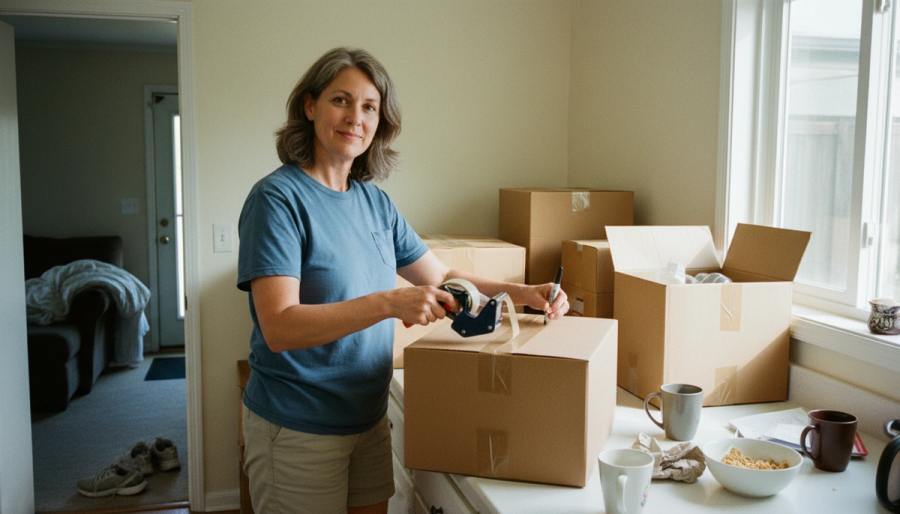
Finish packing non-essentials. Label every box with its contents and destination room. Color-coded labels or numbered systems make unpacking dramatically faster.
Moving Week
Confirm your moving company reservation, arrival time, and any access instructions for both locations. Do a final sweep of the house — check the attic, crawl space, shed, and every cabinet. It's easy to leave things behind in places you don't open often.
Take photos of your old home before you leave. You'll appreciate having them someday. Clean the home or hire a cleaning service as a courtesy to the buyer. Hand over the keys and take a breath. You did it.
After the Move
Unpack systematically — kitchen and bedroom first, then bathroom, then everything else. Don't rush to unpack everything on day one. It's a marathon, not a sprint. Give yourself time to figure out where things actually work best in the new space before committing.
Introduce yourself to neighbors. Explore your new area — find the grocery store, pharmacy, library, and nearest coffee shop. Establishing a routine in your new home makes it start feeling like home faster.
The Bottom Line
Downsizing is a project, and like any project, it goes better with a plan. Follow this checklist, give yourself plenty of time, and don't try to do it all in one weekend. The goal isn't just to move — it's to move well, with less stress and less stuff weighing you down.