If you've lived in your home for 20 or 30 years, it's full of your life — family photos on every wall, furniture that's been in the same spot since the '90s, closets packed to capacity. That's normal. But when it's time to sell, buyers need to see themselves in the space, not you. That's what staging is about.
The good news: effective staging doesn't mean hiring a designer or spending thousands of dollars. The changes that matter most are simple, cheap, and something you can do yourself in a weekend.
Declutter First — Everything Else Is Secondary
This is the single most impactful thing you can do. Cluttered rooms look smaller, darker, and less inviting. Start by removing at least half of what's on your countertops, bookshelves, and surfaces. Pack up personal photos, collections, and anything that makes the space feel specifically yours rather than universally appealing.
Closets matter too. Buyers will open them. A closet packed to the ceiling says 'not enough storage.' Remove off-season clothes and anything you can live without for a few months. The goal is for every closet to look like it has room to spare.
Deep Clean Like You've Never Cleaned Before
A clean house signals 'well-maintained.' A dirty house signals 'what else have they been neglecting?' Pay special attention to kitchens and bathrooms — these are the rooms buyers scrutinize most. Scrub grout, clean inside the oven, wipe down cabinet fronts, and make sure fixtures sparkle.
Don't forget windows. Clean windows let in dramatically more light, and bright rooms photograph better and feel bigger. If your carpets are stained or worn, have them professionally cleaned for $150–$300. It's one of the best returns on investment in home selling.
Neutralize the Space
That accent wall you painted burgundy in 2008? It's time to paint it a neutral warm white or light gray. Bold colors are personal — they appeal to some buyers and turn off others. Neutral walls appeal to everyone and make rooms feel larger and brighter.
A gallon of paint costs $30–$50 and can transform a room in an afternoon. If you're painting the whole interior, budget $200–$500 in materials. It's consistently rated as the highest-ROI improvement you can make before selling.
Curb Appeal Takes 30 Seconds to Judge
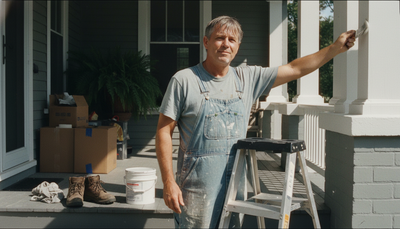
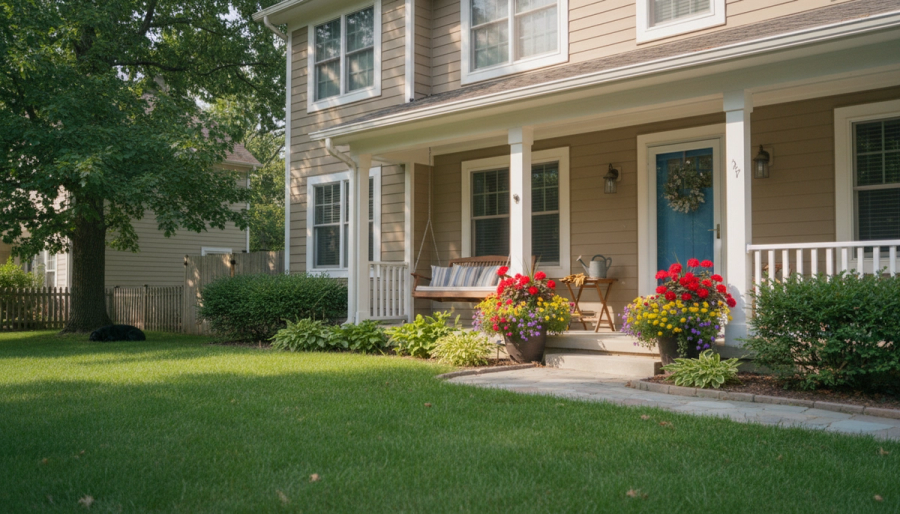
Buyers form their first impression before they walk through the door. Mow the lawn, edge the walkway, trim overgrown bushes, and sweep the porch. Add a new doormat and consider a pot of flowers by the front door. If your house numbers are faded or your mailbox is rusted, replace them — they're cheap and signal care.
Power wash the driveway and front walkway if they're stained or mossy. This costs about $100 to rent a pressure washer for a day, or $200–$300 to hire someone. The difference is dramatic.
Fix the Small Stuff
You've been living with that dripping faucet and the sticky back door for years. Buyers will notice them immediately and wonder what bigger problems are hiding. Fix every small, obvious issue: tighten loose handles, replace burned-out bulbs, patch nail holes, re-caulk the tub, and oil squeaky hinges.
None of this costs much — maybe $50–$100 in materials. But a home where everything works feels solid and trustworthy. A home with a dozen small issues feels neglected, even if the bones are great.
Light It Up
Dark rooms feel small and uninviting. Open every blind and curtain for showings. Turn on every light. Replace dim bulbs with brighter ones — aim for daylight-temperature LEDs (4000K–5000K) in kitchens and bathrooms, and warm white (2700K–3000K) in living spaces. Make sure no light fixture has a dead bulb.
When to Skip Staging Entirely
If your home needs major repairs, staging is lipstick on a pig. Buyers will see through it. If you don't have the energy, time, or budget to stage and repair, a cash offer lets you sell the home as-is. No cleaning, no painting, no staging. The trade-off is a lower price, but you save weeks of work and thousands in prep costs.
The Bottom Line
Staging isn't about making your home look like a magazine. It's about removing distractions so buyers can focus on the space itself. Declutter, clean, neutralize, and fix the small stuff. These four things alone can shave weeks off your time on market and add thousands to your sale price — without spending much at all.