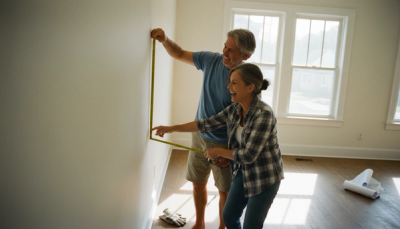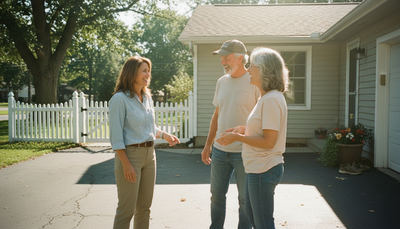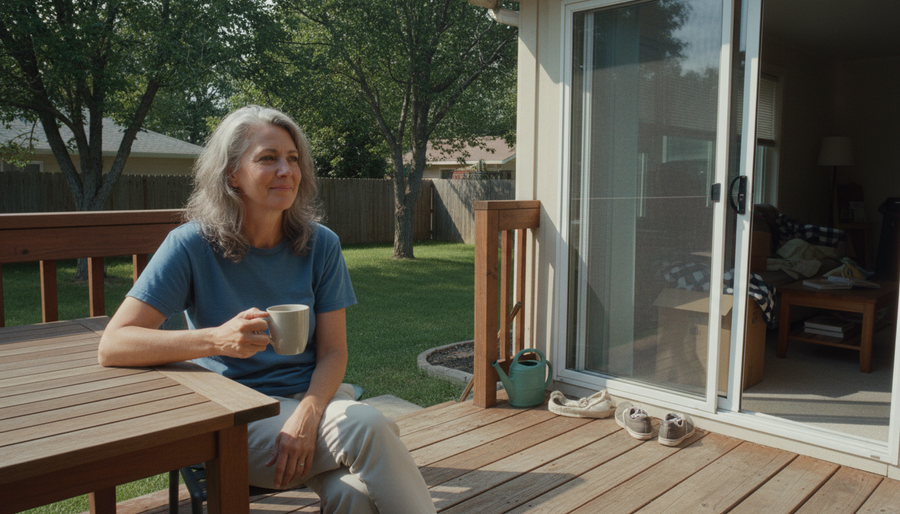
Most people assume first-time home buyers are in their 20s or 30s. But millions of Americans reach their 50s, 60s, and beyond without ever owning a home — whether because of career moves, divorce, financial setbacks, or simply choosing to rent. If that's you, buying your first home later in life is absolutely possible and can be a smart financial move.
The process is the same as for any first-time buyer, but there are some unique considerations — and advantages — that come with age.
You Have More Going for You Than You Think
First-time buyers over 55 often have stronger financial profiles than they realize. Decades of working have typically built up savings, a solid credit history, and stable income streams. Many have retirement accounts that can be used for a down payment. And unlike younger buyers juggling student loans and childcare costs, your major expenses may be behind you.
Lenders look at income, credit, and debt-to-income ratio — not your age. If you have the financials, you qualify. Period. Age discrimination in lending is illegal under the Equal Credit Opportunity Act.
First-Time Buyer Programs You May Qualify For
Don't assume first-time buyer programs are only for young people. The federal definition of 'first-time buyer' is anyone who hasn't owned a home in the past three years. That means if you've been renting, you qualify regardless of age.
FHA loans require as little as 3.5% down and are more flexible on credit scores. Many state and local housing authorities offer down payment assistance programs with no age restrictions. Some programs offer closing cost assistance or reduced interest rates for first-time buyers. The USDA loan program offers zero-down financing for homes in qualifying rural and suburban areas.
How Much Home Can You Afford?
The math is different when you're buying in your late 50s or 60s. You need to think about retirement income, not just current income. If you're still working, lenders will use your salary. If you're retired, they'll look at Social Security, pensions, investment income, and retirement account distributions.
A good rule of thumb: keep your total monthly housing cost (mortgage, taxes, insurance) under 28% of your gross monthly income. And leave yourself a cushion. Unexpected repairs, medical expenses, and inflation don't care about your budget.
Should You Get a Mortgage or Pay Cash?
If you can pay cash, it simplifies everything. No monthly payments, no interest, no risk of foreclosure. But draining your savings to buy a house can leave you vulnerable to medical expenses or other emergencies.
A middle ground: make a large down payment (50% or more) and take a short-term mortgage — 10 or 15 years. Your monthly payment stays low, you own the home outright while you're still active, and you keep cash reserves intact for emergencies.
What to Look for in Your First Home
Buy practical, not aspirational. At this stage, the right home is one that's easy to maintain, affordable to own, and livable for the next 15–20 years. Single-story is ideal. Look for wide doorways, accessible bathrooms, and a location close to healthcare and daily needs.
Don't overbuy. A smaller, manageable home gives you financial flexibility and less to worry about. This is your first home, not your forever dream mansion. Comfort and practicality beat square footage every time.
The Bottom Line
There's no age limit on homeownership, and there's no shame in buying your first home at 55, 65, or 75. If the numbers work and the home fits your life, it can provide stability, build equity, and give you a place that's truly yours. Take advantage of first-time buyer programs, be realistic about what you can afford, and don't let anyone tell you it's too late.